
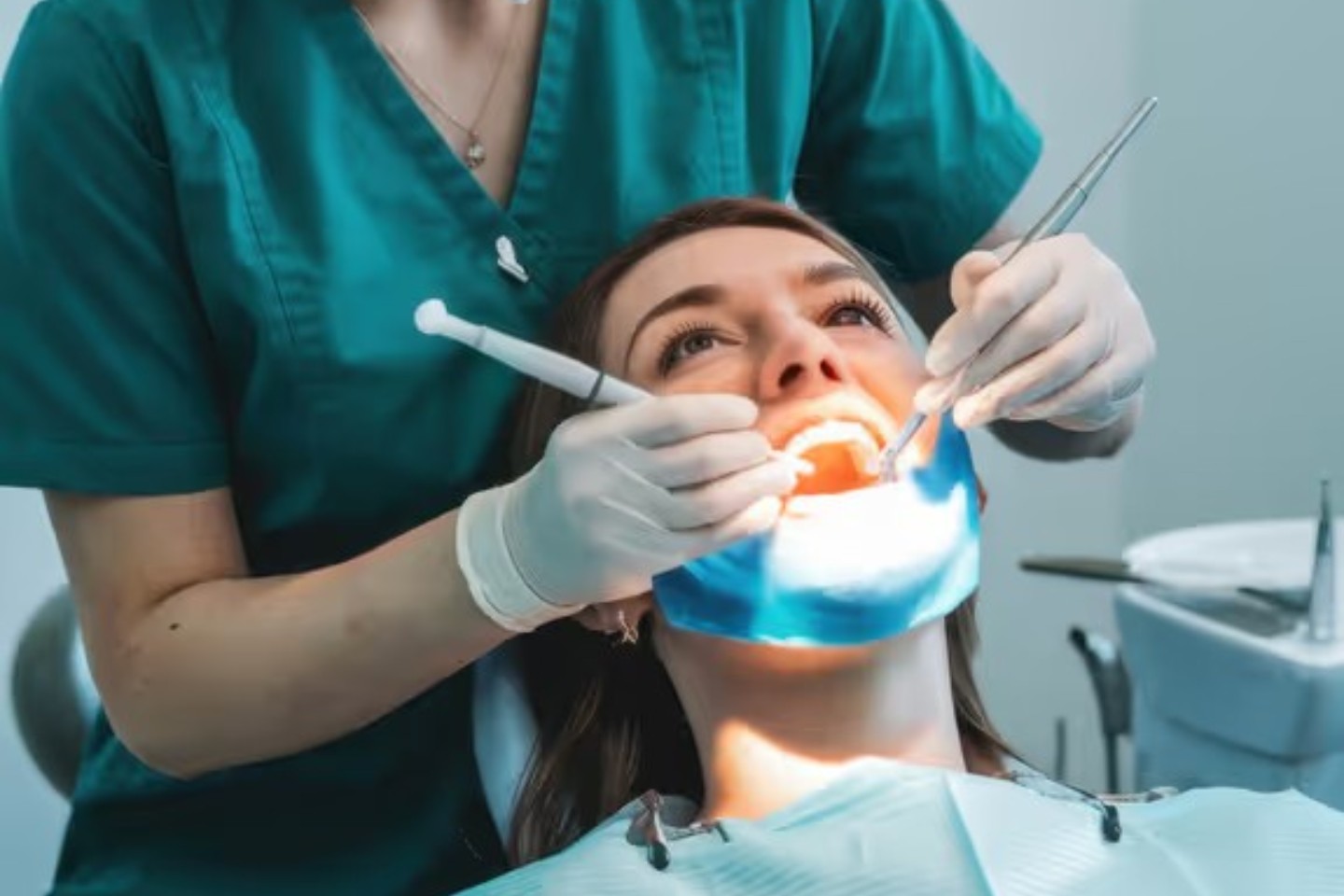
Not every cavity gets the same fix. When you have decay or a damaged tooth, the crown vs. filling question comes up fast, and your dentist has to decide between these two common restorations. The choice comes down to how much tooth structure is left and how much support that tooth needs to work properly again. At Kidder Owens Dental, Dr. Dustin Kidder walks patients through the reasoning behind each recommendation so you feel confident before treatment starts.
What Are Dental Crowns and Fillings?
A filling repairs minor decay, small chips, or early cavities by placing restorative material inside a tooth. A crown is a custom cap that covers the entire visible portion of a tooth to protect it from further damage. Fillings preserve most of the natural tooth. Crowns replace and reinforce a tooth that’s too weak to stand on its own.
Fillings are typically made of tooth-colored composite resin, which bonds directly to the enamel and blends with your smile. Crowns are usually crafted from porcelain, ceramic, or metal-based materials designed to handle years of chewing pressure.
Both restorations serve the same core purpose: to rebuild function, protect the tooth from further decay, and restore a natural look. The real difference is coverage. A filling fits inside the tooth. A crown wraps around it.
That single distinction, meaning how much of the tooth needs support, guides nearly every crown-versus-filling decision you’ll face in the dental chair.
How Dentists Perform Fillings and Crowns
The filling and crown procedures share some steps, but the timing and complexity differ. A filling can usually be completed in a single 30 to 60 minute visit. A crown may take one or two appointments, depending on whether same-day ceramic technology is used.
Here’s what to expect from each procedure:
Filling procedure
- Numb the area with local anesthetic for comfort.
- Remove decayed tissue with precision instruments.
- Clean and prepare the tooth surface.
- Place composite resin in layers.
- Shape and cure the material with a curing light.
- Polish the finished restoration.
Crown procedure
- Numb the tooth and surrounding gums.
- Reshape the tooth to make room for the crown.
- Take a digital scan or impression.
- Place a temporary crown if needed.
- Cement the final crown at a follow-up visit (or same-day, with in-office milling).
Digital scanning has changed the crown process for the better. It removes the need for goopy impression trays and produces a more accurate fit the first time. Kidder Owens Dental uses digital tools and advanced technology to make crown appointments faster and more predictable, so patients spend less time in the chair and walk away with a restoration that fits comfortably from day one.
Benefits of Crowns and Fillings
Both restorations protect your long-term oral health, but they work best in different situations. Choosing the right one preserves more of your natural tooth and helps you avoid repeat repairs down the line.
When does a filling deliver the best results?
A filling shines when decay is caught early, before it has a chance to spread through more of the tooth. Here’s what makes fillings a smart choice in the right situation:
- Quick, single-visit treatment
- More affordable than larger restorations
- Minimally invasive, preserves healthy enamel
- Tooth-colored materials blend with your smile
- Ideal for early cavities and small chips
A filling is the right call when you catch a cavity early during a routine exam. Our preventive care visits are built to spot these small problems before they grow.
What makes a crown the stronger long-term choice?
A crown becomes necessary when a tooth has lost too much structure or when a filling alone wouldn’t hold up over time. Here’s where crowns earn their place:
- Strong enough to handle full chewing force
- Protects cracked or weakened teeth from breaking
- Restores teeth after root canal therapy
- Custom-shaded porcelain looks natural
- Can last 10 to 15 years or longer with good care
Both options stop decay from spreading and bring back full chewing function. Regular cleanings, exams, and X-rays help us catch problems while they’re still small enough for a simple filling. That’s the prevent & protect mindset behind every visit at Kidder Owens Dental.
Crown vs. Filling: Side-by-Side Comparison
When you’re weighing crown vs. filling options, seeing the details side by side makes the decision clearer. Each restoration has a specific role based on how much tooth structure remains and how much force it needs to withstand.
| Feature | Filling | Crown |
|---|---|---|
| Best for | Small to moderate decay, minor chips | Large decay, cracks, post-root canal teeth |
| Coverage | Fills inside the tooth | Covers the entire visible tooth |
| Material | Composite resin | Porcelain, ceramic, or metal |
| Procedure time | 30-60 minutes, one visit | One or two visits |
| Durability | 5-10 years, typically | 10-15+ years with proper care |
| Cost | Lower upfront cost | Higher upfront investment |
| Tooth removal | Minimal | Moderate reshaping required |
| Appearance | Tooth-colored, natural blend | Custom-shaded, natural look |
Fillings work well for teeth that still have plenty of healthy structure. Crowns take over when a tooth is compromised by a large cavity, a fracture, or the aftermath of a root canal. Your dentist looks at the whole picture (decay size, tooth location, bite forces, and long-term outlook) before making a recommendation you can trust.
What Affects the Cost of Crowns vs. Fillings
Fillings are generally less expensive than crowns because they require less material, less chair time, and no laboratory work. Crown costs reflect the custom fabrication, the material used, and the reinforcement they provide to a weakened tooth. Both restorations vary in price based on your specific situation.
Several factors influence the final cost:
- Material choice (composite, porcelain, ceramic, metal)
- Tooth location (molars often cost more than front teeth)
- Severity of decay or damage
- Insurance coverage and annual maximums
- Financing options available through the practice
While a crown costs more upfront, it often reduces future repair costs by protecting the tooth from cracking or needing replacement. A large filling in a heavily damaged tooth may fail sooner and require additional work, sometimes ending in a crown anyway. Thinking about the long-term picture usually saves both money and stress.
Kidder Owens Dental offers flexible payment plans to make treatment more manageable for every budget. For a personalized estimate, request an appointment so Dr. Dustin can evaluate your tooth and review your coverage before you commit to anything.
Which One Do You Need? Signs You May Need a Crown or Filling
The right choice depends on how much healthy tooth remains and what’s causing your symptoms. Small problems usually call for fillings. Bigger structural issues need the full coverage of a crown.
A filling makes sense when
- You have a small cavity caught early on an exam or X-ray
- A minor chip has exposed a small area of tooth
- You feel mild sensitivity to sweets or cold
- Most of your tooth structure is still healthy
A crown becomes the better option when
- A cavity is too large for a filling to hold
- Your tooth is cracked, fractured, or worn down
- You’ve recently had a root canal
- An old filling has failed and left the tooth weak
- You feel pain when biting down
The decision starts with a thorough exam. Dr. Dustin Kidder, DDS, FAGD, uses digital X-rays and a careful clinical evaluation to see exactly how much healthy tooth structure remains. From there, you’ll get a personalized treatment plan that explains why one option fits better than the other, with no pressure and no guesswork along the way.
Frequently Asked Questions About Crowns and Fillings
Can a filling turn into needing a crown later?
Yes. Fillings can fail over time, especially large ones that leave less healthy tooth around them. If a filling cracks, leaks, or the tooth develops new decay underneath, your dentist may recommend a crown to reinforce what’s left. Regular checkups help catch these changes early, before a small issue turns into a bigger one.
How long do crowns and fillings last?
Fillings typically last 5 to 10 years, depending on size, location, and how well you care for your teeth. Crowns often last 10 to 15 years or longer with proper hygiene and routine dental visits. Grinding, clenching, or hard foods can shorten the lifespan of either restoration, so protecting your bite matters just as much as the material itself.
Is a crown more painful than a filling?
Neither procedure should hurt. Both use local anesthetic to numb the area completely. A crown involves more tooth reshaping, so you may feel mild sensitivity for a few days afterward. Most patients describe the experience as comfortable, especially with the calming amenities offered at Kidder Owens Dental.
Does insurance cover crowns and fillings?
Most dental insurance plans cover a portion of both fillings and crowns, though coverage percentages vary. Fillings are usually classified as basic care, while crowns fall under major restorative services with different coverage levels. Our team can help you understand your benefits before treatment begins, so there are no surprises when the bill arrives.
Can a large cavity be filled instead of crowned?
Sometimes, but not always. If a cavity is so large that a filling would leave the tooth weak or prone to fracture, a crown is the safer long-term choice. Your dentist evaluates how much healthy structure remains and whether a filling would actually hold up under normal chewing pressure. When in doubt, Dr. Dustin will talk you through the trade-offs so you can decide with confidence. Your smile, our specialty.