
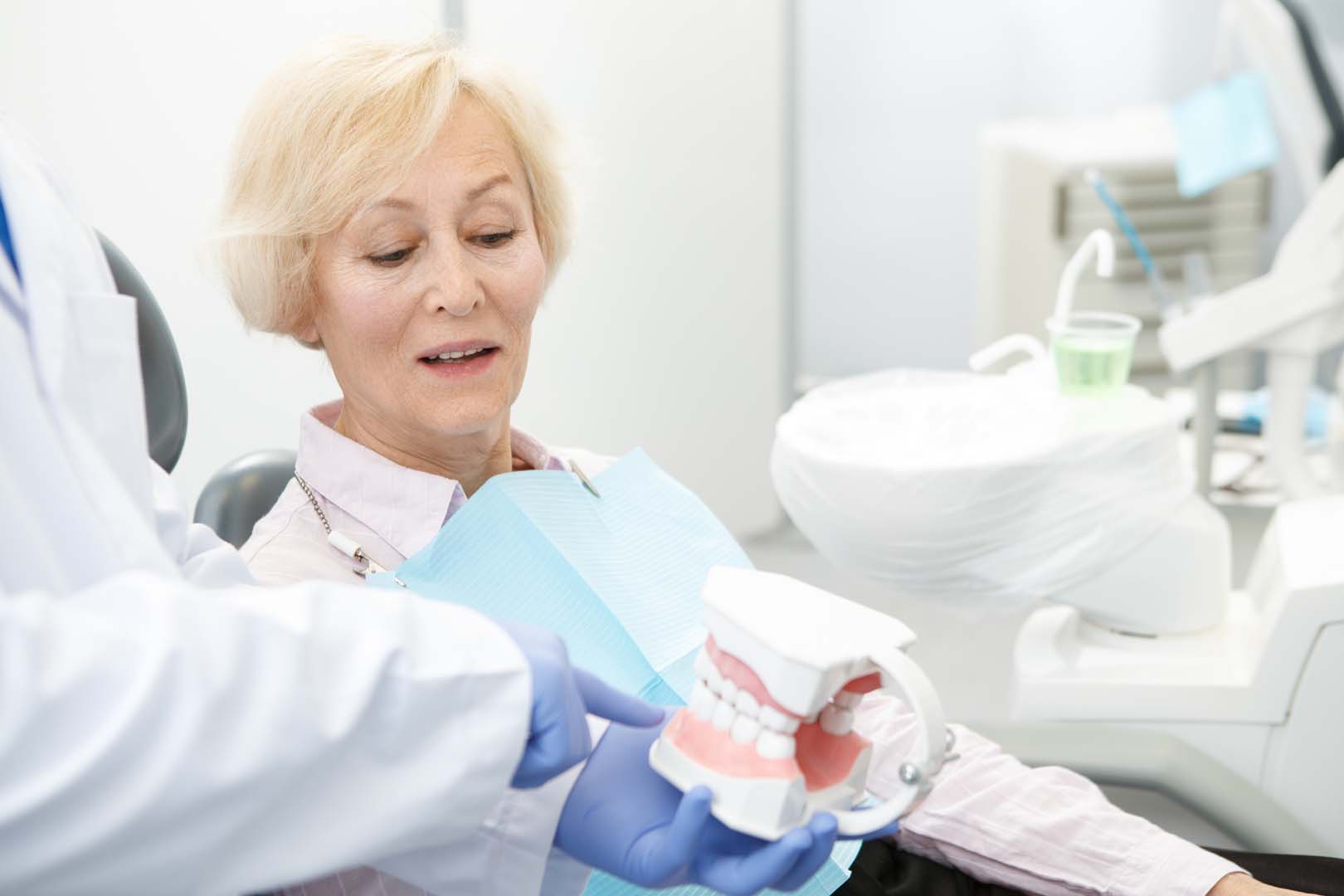
Gum grafting is a periodontal procedure that adds tissue to areas where your gums have receded, covering exposed tooth roots and rebuilding a healthy gum line. At Kidder Owens Dental, we use gum grafting to protect roots from decay, reduce sensitivity, and restore both function and appearance to your smile.
Understanding what gum grafting is, when it’s needed, and what to expect can make the decision much easier if your dentist has recommended treatment for receding gums. The good news is that this is a routine, well-understood procedure, and knowing the details ahead of time takes most of the worry out of it.
What Is Gum Grafting?
Gum grafting is an outpatient dental procedure that transplants healthy tissue to areas of gum recession, covering exposed tooth roots and restoring the gum line. The procedure protects roots from decay, reduces sensitivity, and helps stop further recession. It’s performed by dentists trained in periodontal care or by periodontists, typically in a single visit.
There are three common types of gum grafts:
- Connective tissue graft. The most frequently used technique. A small flap is created in the roof of the mouth, and connective tissue from beneath is stitched over the exposed root.
- Free gingival graft. Here, tissue is taken directly from the palate’s surface. This option works well for patients with naturally thin gums who need extra bulk.
- Pedicle graft. With this approach, tissue is pulled from gum adjacent to the recession site rather than harvested from the palate. It works best when there’s plenty of healthy tissue near the affected tooth.
In some cases, donor tissue (allograft) is used instead of your own, sparing a second surgical site. Your dentist will recommend the graft type that fits your recession pattern, tissue thickness, and long-term goals.
How Gum Grafting Works: The Procedure Step by Step
The whole thing is more straightforward than most people expect. Treatment moves through a set sequence: exam and planning, anesthesia, tissue harvesting, graft placement, and suturing. Most procedures take 45 minutes to 2 hours depending on the number of teeth treated. Initial healing begins within one to two weeks, with full tissue integration taking several months.
Here’s what to expect at each stage:
- Before the procedure. Your Baton Rouge dentist performs a full periodontal exam, professional cleaning, and treatment planning visit. Imaging, gum measurements, and a review of your medical history help determine the best graft type.
- Anesthesia. Local anesthesia numbs the surgical area completely. For patients with dental anxiety or extensive grafting needs, IV sedation or oral sedation options are available so you stay comfortable throughout.
- Tissue harvesting. If an autograft is planned, tissue is carefully taken from the roof of your mouth or an adjacent site. If donor tissue is used, this step is skipped.
- Graft placement. The graft is positioned over the exposed root and secured with fine sutures. The tissue is shaped for both function and a natural-looking gum line.
- Closure and initial healing. Sutures hold everything in place during the first phase of healing. You’ll receive detailed home-care instructions from the Kidder Owens Dental team, including a soft-food plan and a special rinse.
Most patients describe post-op discomfort as mild to moderate, similar to a deep cleaning. Over-the-counter pain relievers usually manage it well, and any swelling typically subsides within a few days. Full soft-tissue healing takes about 4-6 weeks, though the graft continues to mature for several months.
Benefits of Gum Grafting
Restoring your gum line does more than improve appearance. It solves real problems tied to recession and helps preserve your teeth for the long term.
What Health Problems Does Gum Grafting Solve?
Key benefits include:
- Reduced sensitivity. Covering exposed roots eliminates that sharp reaction to hot, cold, and sweet foods.
- Protection from decay. Because roots don’t have enamel, they’re vulnerable to cavities once exposed. Grafting shields them from decay.
- A more even, balanced gum line. Grafting corrects the “long tooth” look that recession creates, improving smile symmetry.
- Stronger tooth support. Healthy gum tissue reinforces the foundation around each tooth, supporting bone and tooth stability and reducing the risk of mobility.
- Stopping recession before it worsens. Untreated recession tends to progress. A graft can halt that pattern and protect neighboring teeth.
Will I Actually Notice a Difference Day to Day?
Yes, and often more than people expect. Patients across the Baton Rouge area frequently tell us the biggest surprise is how much better their teeth feel day to day, especially when drinking cold water or brushing near the gum line. That everyday comfort tends to be the change people appreciate most, well beyond the cosmetic improvement.
Gum Grafting vs. Alternative Treatments
Not every case of recession requires the same approach. Understanding your options helps you and your dentist choose the right treatment.
| Option | How It Works | Recovery | Best For |
|---|---|---|---|
| Traditional gum graft | Tissue is sutured over exposed roots | 4-6 weeks soft tissue healing | Moderate to severe recession, thin tissue |
| Pinhole surgical technique | A small hole is made and existing gum tissue is repositioned; no sutures | Typically faster, less discomfort | Mild to moderate recession with adequate tissue |
| Autograft (your own tissue) | Tissue harvested from palate or nearby site | Two healing sites | Patients wanting the strongest long-term result |
| Allograft (donor tissue) | Processed donor tissue used instead | Single surgical site | Patients wanting less post-op discomfort |
| Monitoring only | No procedure; careful observation and improved home care | None | Very mild recession without symptoms |
Traditional grafting remains the gold standard for durability, especially in cases with thin or damaged tissue. The pinhole technique offers a less invasive option when conditions are right, though it isn’t suitable for every case. Autografts use your own tissue and integrate exceptionally well, while allografts skip the second surgical site and often shorten overall recovery.
For very mild recession without sensitivity or decay risk, your dentist may recommend watchful waiting paired with improved brushing technique and regular periodontal checkups.
Gum Grafting Cost Factors
What you’ll pay for gum grafting depends on several things: the number of teeth treated, the type of graft used, the tissue source (your own or donor), sedation choice, and the provider’s expertise. Since every mouth is different, the only way to get a real number is an in-person exam and periodontal assessment, and we’re always happy to walk you through it.
Common cost factors include:
- Number of teeth involved. Grafting one recession site costs less than treating multiple adjacent teeth in the same session.
- Graft type. Connective tissue, free gingival, and pedicle grafts each involve different techniques and time requirements.
- Tissue source. Using donor tissue may reduce chair time and eliminates a second surgical site, which can influence the total.
- Sedation preferences. Local anesthesia is standard, but IV or oral sedation adds to the total.
- Provider training. Advanced periodontal expertise and specialized techniques often factor into pricing.
Many dental insurance plans cover gum grafting when it’s considered medically necessary to prevent tooth loss or address active recession. Coverage varies, so we’ll help you understand your benefits during your visit. For patients without full coverage, Kidder Owens Dental offers flexible payment options to make treatment more accessible for families across Baton Rouge.
Who Needs Gum Grafting? Candidacy Signs
You may be a candidate for gum grafting if you have visible recession or symptoms that affect daily comfort. A periodontal exam confirms whether grafting is the right next step.
Common signs to watch for:
- Visible gum recession. Roots that were once covered are now exposed, and you can see a darker, yellow area near the gum line.
- Sensitivity to hot and cold. Exposed roots react to temperature changes, sweet foods, and even air.
- Teeth that look longer. Recession makes teeth appear elongated because more of the crown and root is visible.
- History of gum disease. Periodontal disease is a leading cause of tissue loss and a strong indicator that grafting may help.
- Aggressive brushing habits. Hard-bristled brushes or heavy pressure can wear gum tissue down over time.
- Genetics or thin tissue. Some patients are simply born with thinner gums that are more prone to recession.
Good candidates have their oral health conditions well managed. Active gum disease, uncontrolled diabetes, or heavy smoking can affect healing, so your dentist will address these factors before recommending surgery. If you’re wondering whether grafting is right for you, an evaluation with a trusted Baton Rouge dentist like Dr. Dustin Kidder (DDS, FAGD) provides clear answers and a personalized treatment plan.
Gum Grafting FAQ
Does gum graft surgery hurt?
The procedure itself is not painful because the area is fully numbed with local anesthesia, and sedation is available for added comfort. Most patients describe post-op discomfort as mild to moderate, similar to recovery after a deep cleaning. Over-the-counter pain relievers usually manage any soreness well.
How long does gum graft recovery take?
Initial healing takes about 1-2 weeks, during which you’ll follow a soft-food plan and avoid brushing the graft site directly. Soft tissue typically heals fully within 4-6 weeks. The graft continues to mature and integrate with surrounding tissue for several months after that.
How common is gum graft surgery?
This is a well-established periodontal procedure performed routinely across the country, and by the team at Kidder Owens Dental. It’s one of the most common surgical treatments for gum recession, and techniques have advanced significantly, making the procedure more predictable and comfortable than it was decades ago.
Can gums grow back without a graft?
No. Gum tissue doesn’t regenerate on its own once it has receded. Improved brushing technique and regular cleanings can slow or stop further recession, but restoring the lost tissue requires a surgical procedure like grafting or the pinhole technique.
What can I eat after gum grafting?
Stick to soft, cool foods for the first several days. Yogurt, scrambled eggs, mashed potatoes, smoothies (no straws), pasta, and soft fish are all good choices. Avoid crunchy, spicy, acidic, or very hot foods until your dentist gives you the go-ahead to return to a normal diet.
How long do gum graft results last?
With proper oral hygiene and regular dental care, gum graft results can last for many years, often decades. Success depends on managing the original cause of recession, whether that’s periodontal disease, aggressive brushing, or bite issues. Ongoing periodontal maintenance visits protect your investment.
If you’re noticing gum recession, sensitivity, or teeth that look longer than they used to, an evaluation is a smart next step to understand your options. Kidder Owens Dental cares for patients with clinical excellence, compassionate care, and cutting-edge technology, and we’re glad to answer your questions whenever you’re ready. When the time feels right, reach out and we can talk through a personalized treatment plan that protects your smile for the long term.